

Does the Full Moon Affect Women’s Sleep?
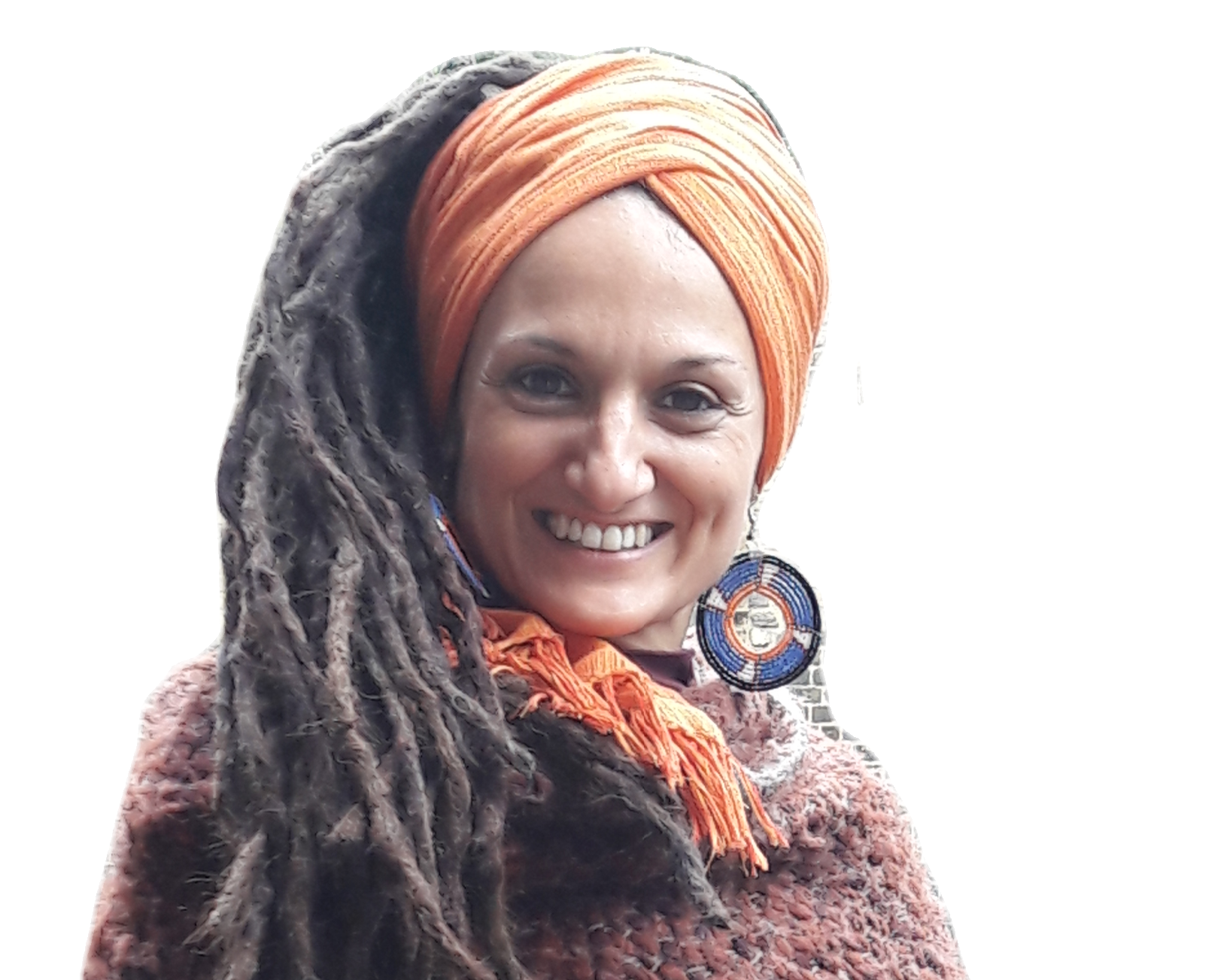
I’ve been very busy since returning to London, helping clients with TMJ and facial tension, neck tension, and the hormonal challenges that can accompany perimenopause and menopause.
Some clients have also remarked on how challenging it has been for them to maintain a good mood and get a good night’s sleep.
Personally, I find that my nights tend to become a little more restless in the few days leading up to the full moon. I find myself waking more easily, dreaming more vividly, or simply feeling more alert when I should be sleeping.
Have you ever noticed this too?

It made me curious about the relationship
between sleep, hormones, our nervous system and the lunar cycle — and whether there is actually any science behind the idea that we (especially women) sleep differently around the full moon.
So, for this month’s WomanSeasons post, I thought we could explore it together…
Does the Full Moon Really Affect Our Sleep?
For centuries, the Moon has been associated with cycles, rhythms and change. But beyond our cultural and symbolic relationship with the lunar cycle, researchers have also asked a fascinating question: could the phases of the Moon actually influence the way we sleep?
The research is intriguing, although far from conclusive.
Some studies have observed measurable changes in sleep around the full moon, including later sleep onset, shorter sleep duration and changes in deep sleep. Other studies, however, have found little or no significant lunar effect.
So science has not established that the full moon causes disturbed sleep. But the question of whether our sleep may respond, at least subtly, to environmental rhythms remains an interesting one.
What Does the Science Say?
One of the studies that brought renewed attention to the subject was published in Current Biology in 2013.
Researchers analysed sleep under carefully controlled laboratory conditions and reported changes around the full moon. Participants took longer to fall asleep, slept for less time and showed a reduction in deep sleep. Interestingly, the participants were not able to see the Moon and were not consciously aware of its phase.
The researchers suggested that their findings could point towards an internal biological rhythm associated with the lunar cycle.
However, subsequent research has not consistently reproduced these findings. A later analysis of three larger sleep datasets failed to find the same lunar effects, highlighting an important point: the scientific evidence remains mixed.
Then, in 2021, another fascinating study looked at sleep in people living in very different environments — from Indigenous communities in Argentina with varying access to electricity to university students living in an urban environment in the United States.
The researchers found a recurring pattern: people tended to go to sleep later and sleep for less time during the nights preceding the full moon.
One possible explanation was surprisingly simple: light.
Before artificial lighting existed, bright evening moonlight could have extended the amount of time humans remained active after sunset. Whether something of that ancient relationship between moonlight and human sleep remains within us is still an open scientific question.
So, at present, we cannot say that the full moon causes disturbed sleep.
Our Bodies Are Rhythmic by Nature
Our bodies are governed by biological rhythms.
The most familiar is our circadian rhythm — the approximately 24-hour internal clock that helps regulate when we feel awake and when we become sleepy. Light is one of its most powerful signals, influencing the production of melatonin, the hormone involved in preparing the body for sleep.
But sleep is not controlled by one hormone or one clock alone.
Our nervous system, stress levels, cortisol rhythms, body temperature, age and hormonal fluctuations can all influence how easily we fall asleep, how deeply we sleep and how often we wake during the night.
And for women, these rhythms can become particularly noticeable during periods of hormonal change.
Sleep During Perimenopause and Menopause
If you are in perimenopause or menopause, you may already know how suddenly sleep can change.
You may fall asleep easily but wake repeatedly during the night. You may wake very early and be unable to return to sleep. Hot flushes or night sweats may disturb you, or you may simply feel unusually alert at 3am when your body desperately needs rest.
Changes in oestrogen and progesterone can interact with systems involved in temperature regulation, mood and sleep.
At the same time, life stress and a nervous system that remains in a heightened state of alertness can make it even harder for the body to settle.
This is why I think an interesting question to ask ourselves would be:
What is preventing my body from feeling safe enough to deeply rest?
The Nervous System and the Art of Switching Off
Many of the women I work with tell me that they are tired, yet they struggle to switch off.
The body wants to sleep, but the mind is still active. The jaw is clenched. The face is holding tension. The neck and shoulders haven't quite let go of the day.
This is where I find working with the face, jaw and nervous system particularly interesting.
We often think of facial tension as something local — tight jaw muscles, teeth grinding, headaches or TMJ discomfort — but the face can also reflect how much tension we are carrying more generally.
Creating moments in which the body can move away from constant alertness and towards rest can therefore become an important part of supporting better sleep.
And perhaps this is also why paying attention to our own rhythms can be so valuable.
Whether or not you notice a difference around the full moon, your body may have its own patterns. There may be particular days of your hormonal cycle, periods of stress, changes of season or stages of menopause when sleep becomes more fragile.
Rather than fighting those patterns, we can begin by noticing them.
For the next month, you might simply observe:
When do I sleep deeply? When do I become restless? What was happening in my body that day? Was I stressed? Was my jaw tight? Where was I hormonally? And yes — where was the Moon?
You may begin to discover a rhythm that is uniquely your own.
References & Further Reading
Cajochen, C., Altanay-Ekici, S., Münch, M., Frey, S., Knoblauch, V. & Wirz-Justice, A. (2013). Evidence that the lunar cycle influences human sleep. Current Biology, 23(15), 1485–1488. DOI: 10.1016/j.cub.2013.06.029. This is the controlled laboratory study reporting reduced deep sleep, longer sleep-onset time and shorter total sleep around the full moon. PubMedRead the study on PubMed
Cordi, M., Ackermann, S., Bes, F. W., Hartmann, F., Konrad, B. N., Genzel, L., Pawlowski, M., Steiger, A., Schulz, H. & Rasch, B. (2014). Lunar cycle effects on sleep and the file drawer problem. Current Biology, 24, R549–R550. DOI: 10.1016/j.cub.2014.05.017. This is important to include because the authors analysed larger datasets and did not reproduce the earlier lunar-sleep findings. PubMed Central (PMC)
Casiraghi, L., Spiousas, I., Dunster, G. P., McGlothlen, K., Fernández-Duque, E., Valeggia, C. & de la Iglesia, H. O. (2021). Moonstruck sleep: Synchronization of human sleep with the moon cycle under field conditions. Science Advances, 7(5), eabe0465. DOI: 10.1126/sciadv.abe0465. This is particularly relevant to your personal observation because the researchers found later sleep onset and shorter sleep duration during the nights preceding the full moon. PubMedRead the full study
Maki, P. M., Panay, N. & Simon, J. A. (2024). Sleep disturbance associated with the menopause. Menopause, 31(8), 724–733. DOI: 10.1097/GME.0000000000002386. This is a useful recent review for the sections on perimenopause and menopause; it discusses frequent night-time awakenings, increased wakefulness after sleep onset, vasomotor symptoms, reproductive hormones, temperature regulation and mood. PubMedRead the abstract on PubMed


Comments